Python / Automation
Technical workflow applications
Desktop applications that turn calculations, measured data and repetitive reporting into reliable daily tools.
Days of manual work reduced to minutesPython / GUI / Data processing / PDF reportsTechnician and Python developer / Prague
I measure, process data and build Python applications. Ten years of servicing, diagnostics and measurement of electrical, microscopic and medical equipment sit behind every line of it — today applied to automation, data analysis and AI-assisted development in energy R&D.
How I structure AI work
This staged example shows the pattern: define, build, challenge, correct and verify. It supports the portfolio; it is not the portfolio itself.
Selected work
Representative work, described without exposing client names or internal details.
Python / Automation
Desktop applications that turn calculations, measured data and repetitive reporting into reliable daily tools.
Days of manual work reduced to minutesPython / GUI / Data processing / PDF reportsData / Machine Learning
A complete analytical pipeline covering data collection, preparation, custom model training and validation.
One system from raw input to evaluated outputPython / ML / Feature pipelines / ValidationAgentic AI
A structured review workflow for finding defects, proposing improvements and combining leading AI provider APIs.
Repeatable implementation and verification loopLLM APIs / Agent workflows / PythonCapabilities
I build software around real technical processes — from measurement and diagnostics to data analysis and automation.
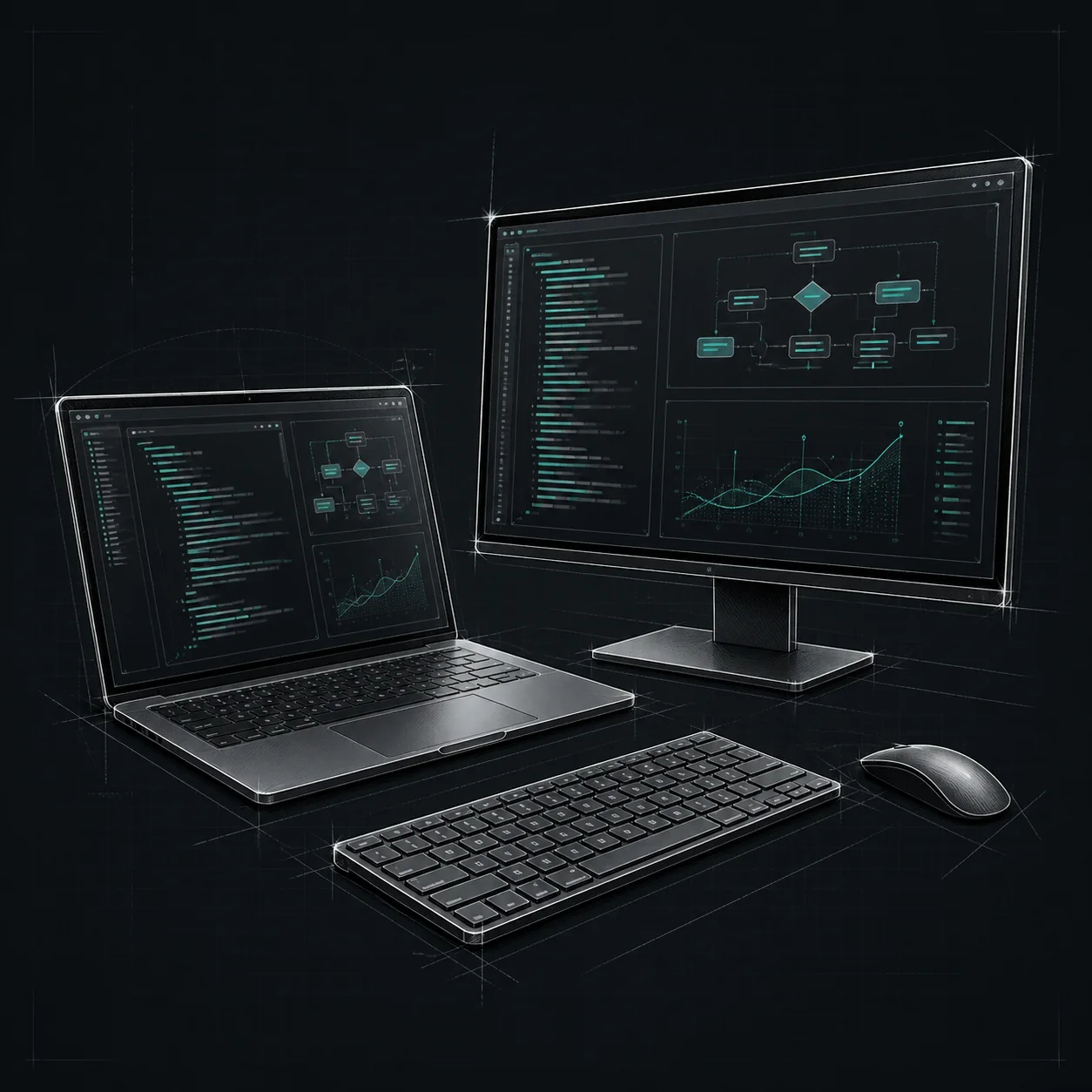
Desktop tools, calculation workflows, automation and report generation.
Data preparation, analytical pipelines, model training and practical validation.
Daily work with Codex and Claude Code, multi-agent review and leading model APIs.
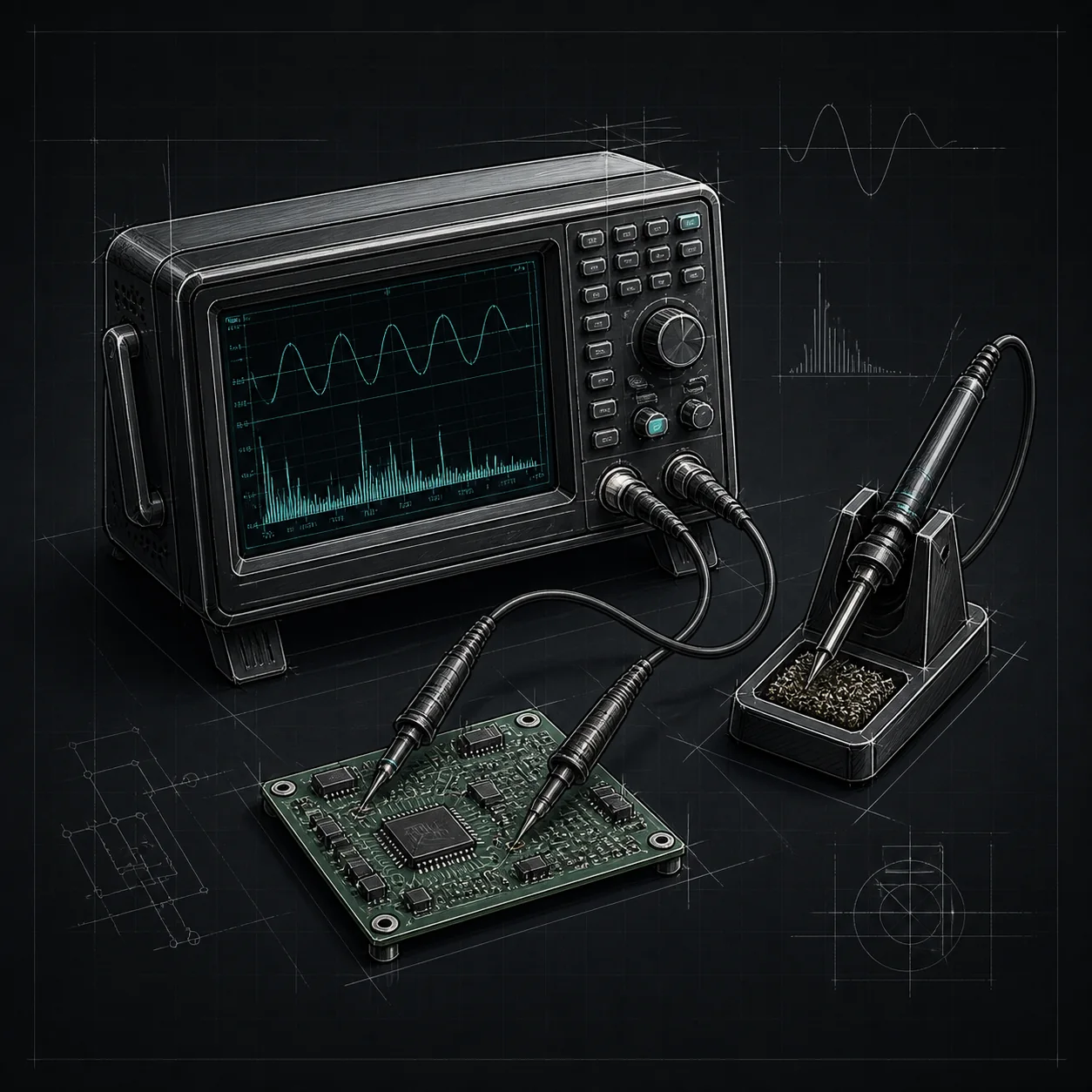
Hands-on measurement, equipment diagnostics and interpretation of real-world data.
Profile
I am a technician who develops software. I measure, process the data and build the applications around it — today in R&D in the energy sector, on top of ten years of servicing, diagnostics and measurement of electrical, microscopic and medical equipment.
Desktop applications with a real user interface: data entry, validation of inputs, saving and loading files, calculation workflows and PDF exports shaped to what the client asked for. One of them was developed end to end for an external client in the energy sector — recalculation of billing measurement, verification of line configurations and comparison of wiring variants.
Internal applications that take over the repetitive part of technical work: recalculation, data handling and generated reporting. Activity that used to take days now takes tens of minutes.
Analysis, normalisation and complete preparation of data — the whole pipeline that surrounds a model, not only the model itself. On top of that my own system for time-series analysis, built alone and trained on my own data, tuned and validated against historical data before any result is trusted.
Claude Code and OpenAI Codex in daily development use. On top of that I run my own platform built on the APIs of the leading providers: it reads my code, finds defects and proposes improvements.
Field measurement across the Czech Republic and servicing of R&D measuring equipment, on top of years of diagnostics and repair of microscopic and medical devices. Electrical qualification under §6.
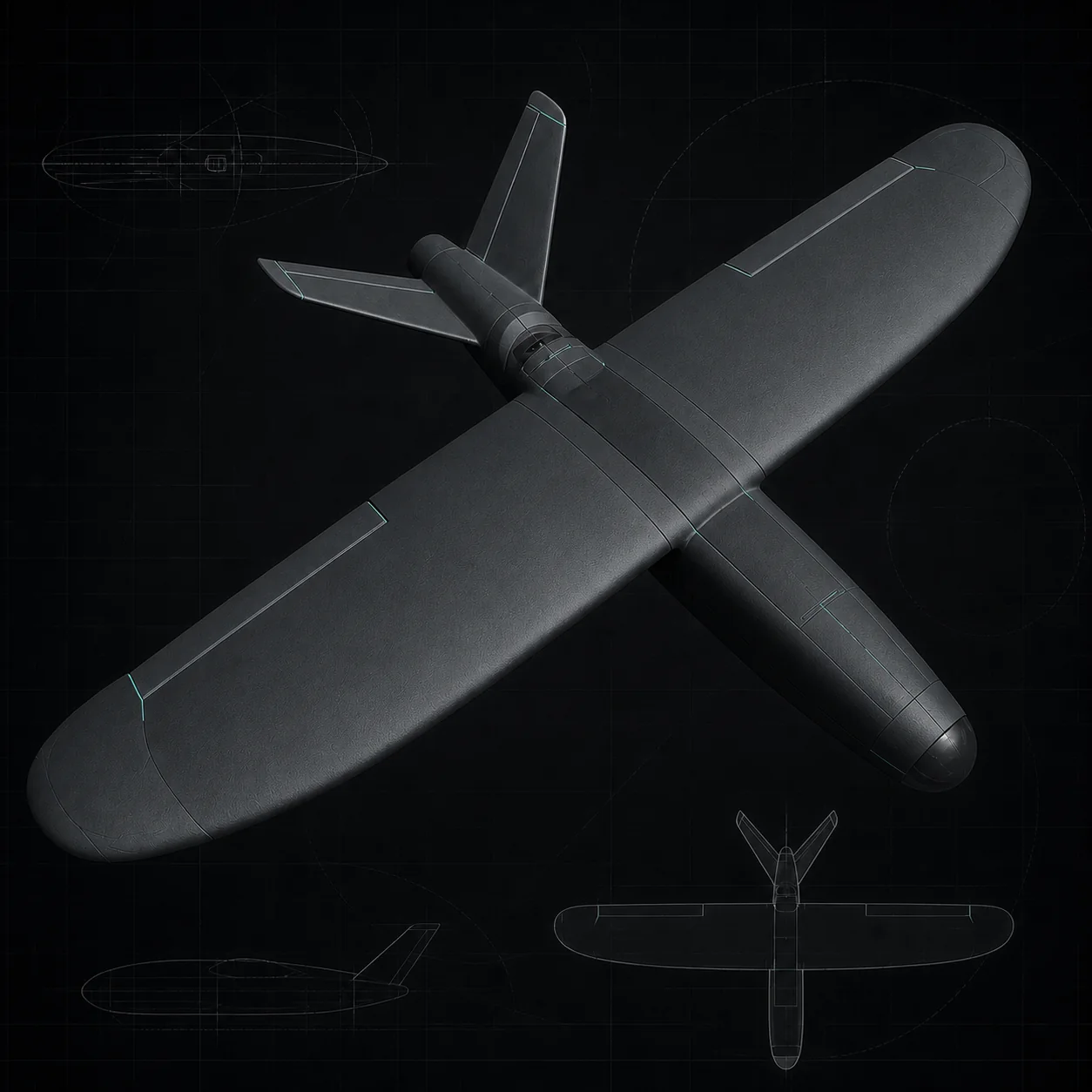
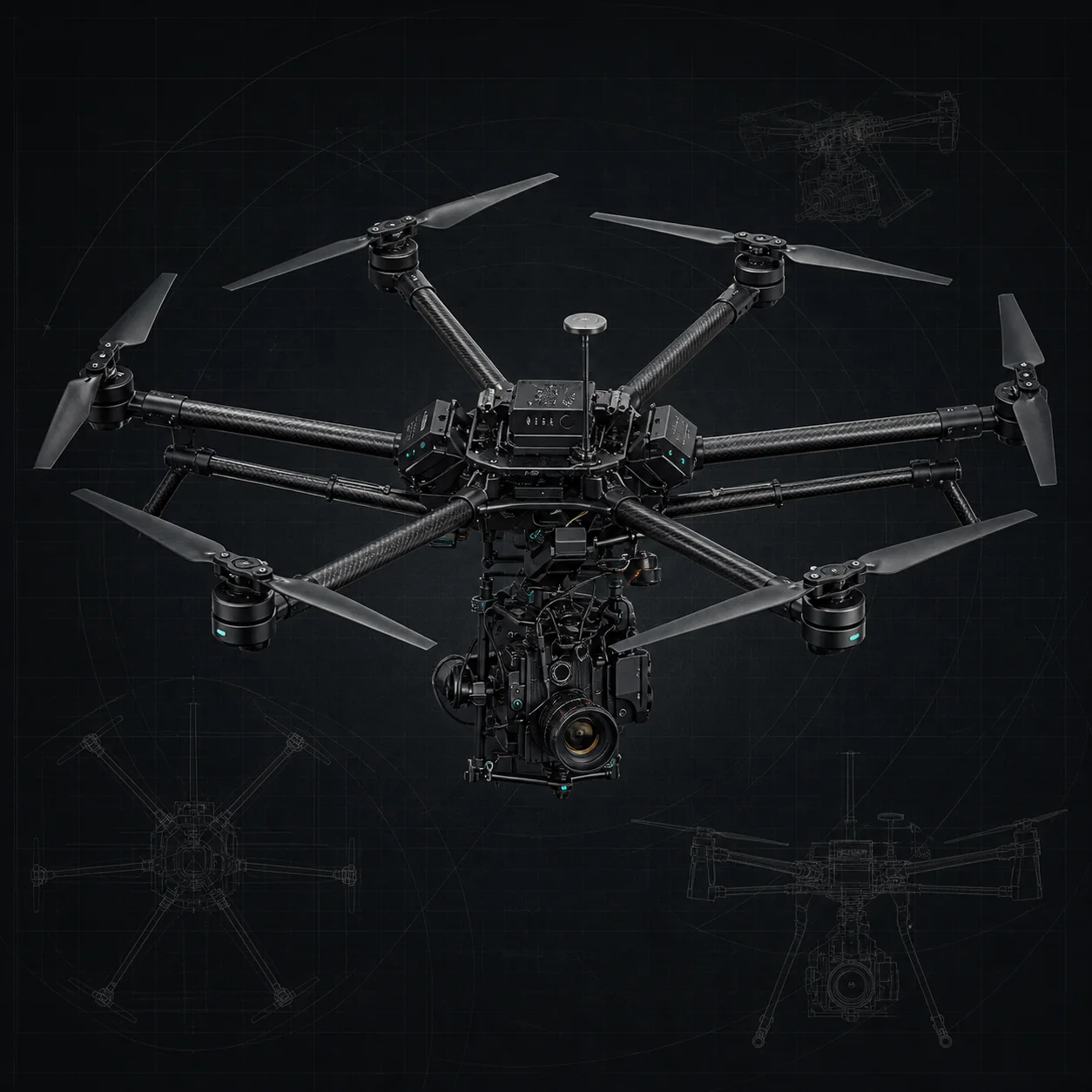
Over twenty complete multicopters including frames of my own design and a self-designed VTOL machine, with the whole electronics chain soldered by hand. Flashing and configuration of flight controllers, speed controllers, an OSD with a menu I wrote myself and the RC link; a night-vision system integrated on my own machine, and hundreds of hours in the air as an FPV racing pilot.
Career
Medical equipment, then microscopy across Central Europe, then high-voltage measurement in energy R&D. Each role added the same habit: check what the instrument is really telling you before you trust the number.
Field measurement across the Czech Republic including the organisation of the trips, plus servicing and maintenance of the R&D measuring equipment. Analysis of data from diagnostics of electrical equipment and the reports built from it. Python applications for internal automation and for an external client.
Python development, including my own machine-learning system for data analysis. Film vehicle operator, coordination of construction and electrical-installation contracts, drone filming as pilot and drone builds within those contracts.
Servicing of microscopic equipment for the Central European region, service reports and price quotes, stock management. Communication with clients, distributors and the manufacturer, training of technicians in the Czech Republic, and monthly training abroad at the manufacturer.
Repairs and diagnostics of medical infusion equipment, proposals of technical solutions, service reports, inspection checks at the client's site and technical consultations.
Live data
Three compact views built from live public data — a small example of turning external sources into a clear, useful interface.
Loading
Building systems for the real world
I am a technician. For ten years I have serviced, diagnosed and measured equipment that people depend on — medical infusion devices, microscopy across Central Europe, and now high-voltage measurement in energy R&D. Alongside that I develop in Python: an application delivered to an external client, internal automation, data pipelines and machine-learning models.
This changes how I build: I look for unreliable inputs, unclear decisions, missing traceability and failure modes before treating a model output as an answer.
New tools I learn on my own and put to work quickly. Agentic coding platforms are part of my daily practice, and I run my own AI platform on top of the leading providers' APIs — used, not just talked about.
Have a process worth improving?